
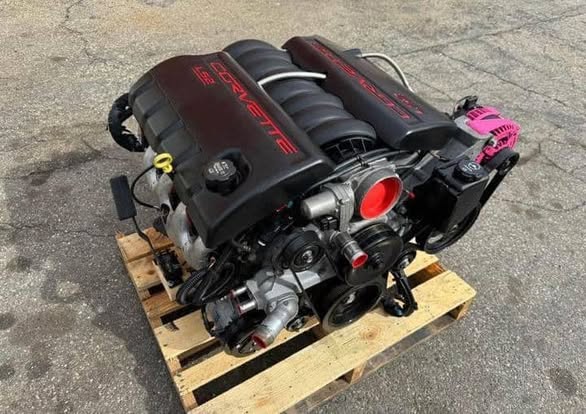
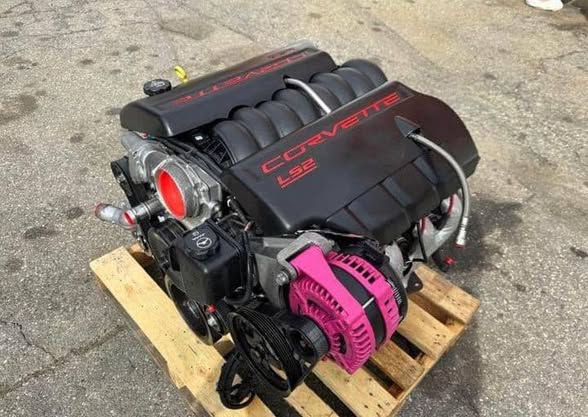
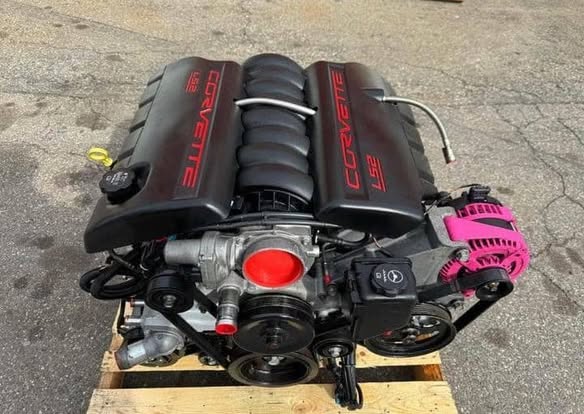
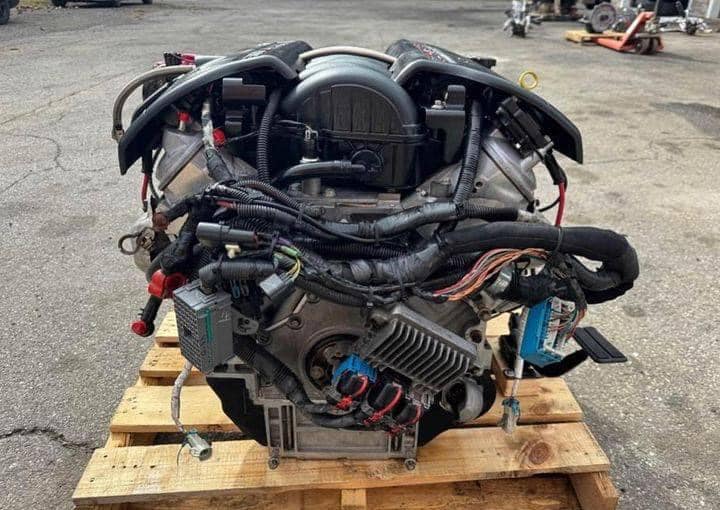
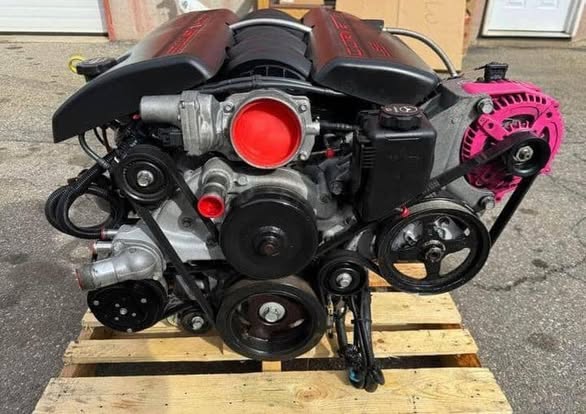
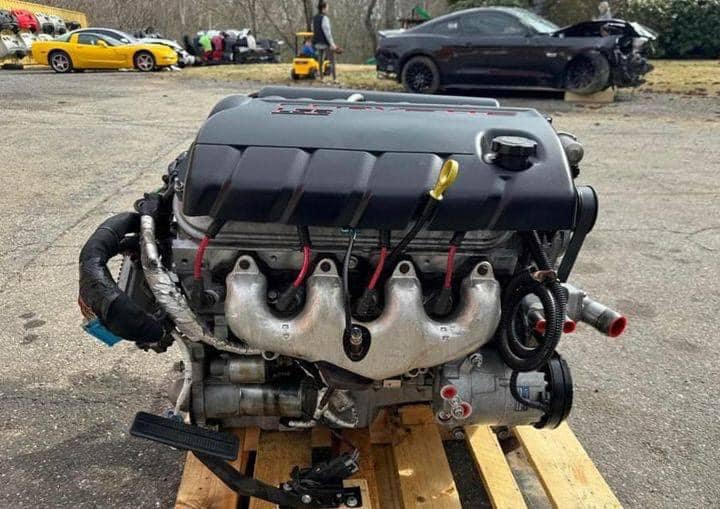
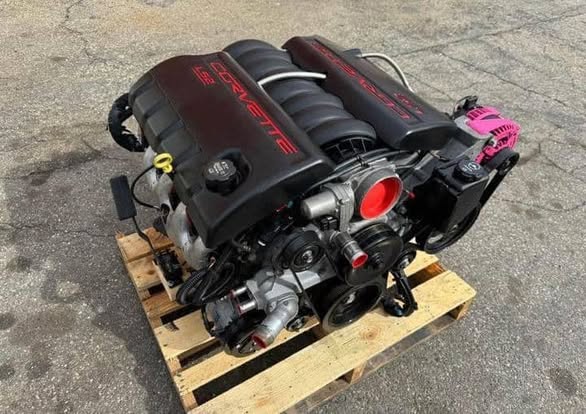
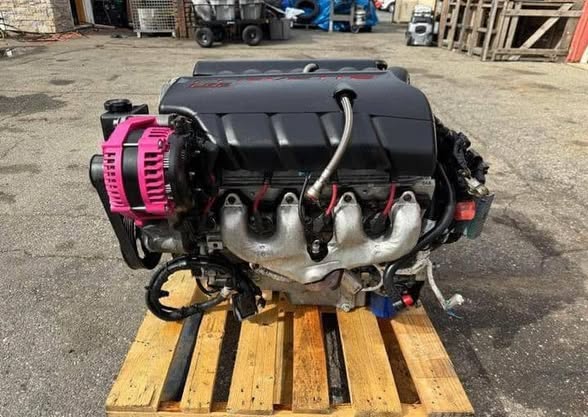
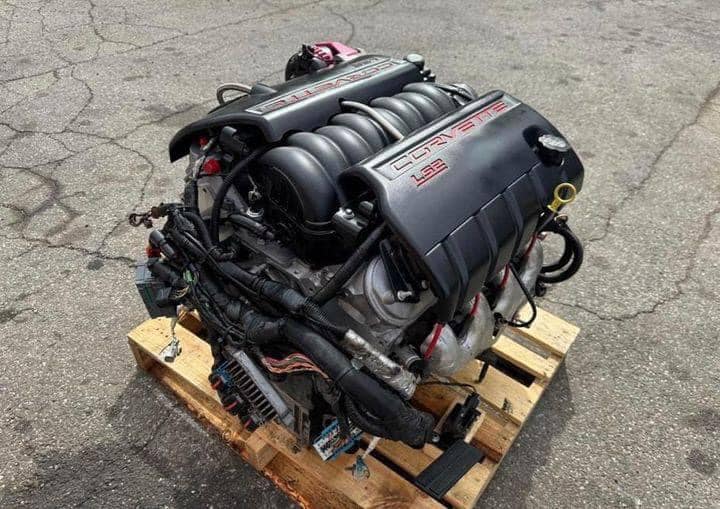
The 2005 LS2: A Gen IV Engine with a Gen III Twist
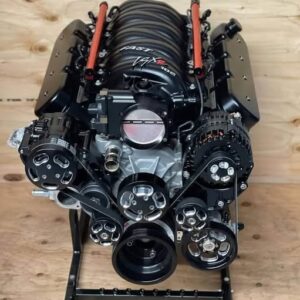
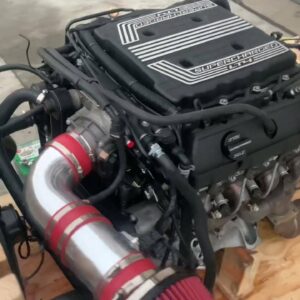
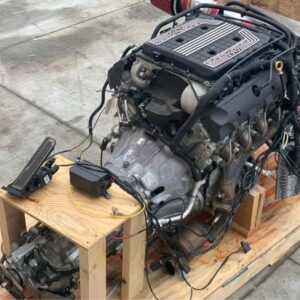
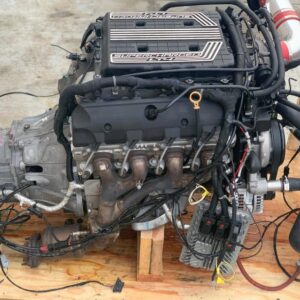
24x LS2 from a 2005 C6 Corvette marks a pivotal moment in small-block history. It showcases a Gen IV engine that retains a distinctive Gen III characteristic. As GM phased out the LS1 and LS6, they introduced the 6.0L LS2, representing a significant leap forward. Here are the 2005 LS2 engine specs: 400 horsepower and 400 lb-ft of torque, a boost of 50 hp and 40 lb-ft over the LS1, according to the GM Media Archives via the Corvette Action Center.
Important Note: The 2005 model features a C6 Corvette with a 24x reluctor wheel — a rare transitional feature.
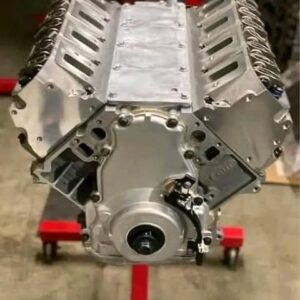
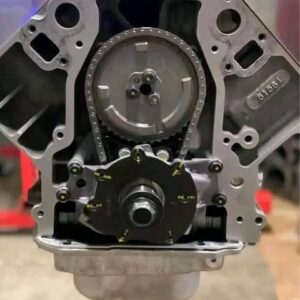
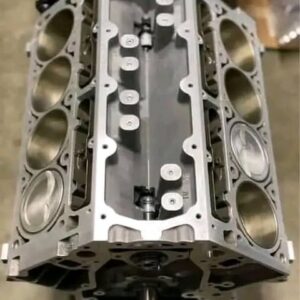
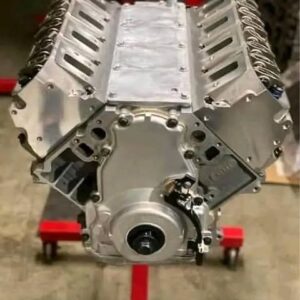
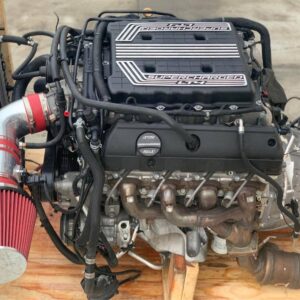
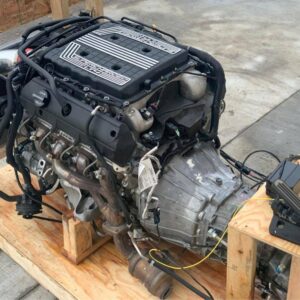
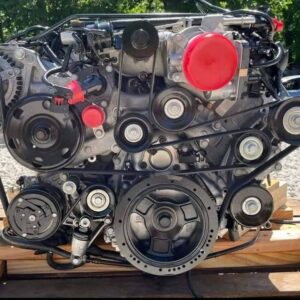
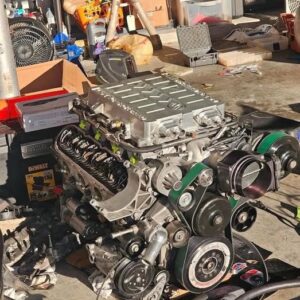
This detail is more significant than many owners realize. Although the LS2 is a Gen IV platform, the 2005 version includes a 24x crankshaft reluctor wheel similar to older Gen III engines. Later LS2 models transitioned to the 58x wheel. The 2005 LS2 uses a 24x two-piece stamped steel reluctor wheel (GM #12551520) paired with a 1x cam gear signal, facilitating easier swaps into Gen III vehicles24x LS2 from a 2005 C6 Corvette.
Now, let’s examine why this matters. It affects swaps, tuning, and sensor compatibility. According to PSI Conversion, the 24x reluctor is plug-and-play compatible with Gen III harnesses. To determine which reluctor wheel your engine has, a closer inspection is necessary.
Is Your LS2 24x or 58x? The Quick Guide
Want to determine your LS2’s reluctor type? It takes less than two minutes and requires only a flashlight. The crankshaft position sensor provides the answer.
The crankshaft position sensor reads the reluctor wheel’s tooth pattern and sends this information to the ECM for engine timing and position. Since 24x and 58x wheels generate different signals, their sensors are color-coded.
Where’s the sensor? It’s located on the passenger side of the engine block, just behind the starter, aimed at the reluctor wheel at the crankshaft’s rear. You can access it without disassembly.
How to Check Your Reluctor Type:
- Black sensor body — Indicates a 24x reluctor wheel, unique to 2005 C6 Corvettes.
- Gray or tan sensor body — Indicates a 58x system, used in 2006 and later LS2s.
- Double-check your VIN build date if the sensor’s been replaced — an incorrect sensor color can lead to major drivability issues.
⚠️ Heads up: Do not use a 58x sensor on a 24x wheel or vice versa. The ECM, which manages the LS2 firing order, will lose accurate crank position data.
The 2005 model is special with its 24x setup, affecting the specific controller GM used — leading us to the next topic.
The E40 ECM: The Brain of the 24x Signal
The E40 ECM manages the 2005–2006 LS2’s electronic identity, making the LS2 24x vs 58x debate crucial for hardware.
The E40 reads 24x reluctor signals only. According to BenchForce / EFI Live, the E40 module was primarily used in 2005–2006 before GM transitioned to the E38 and E67 controllers for the 58x standard. Swapping a 58x reluctor wheel onto an E40-equipped engine isn’t straightforward; the ECM can’t process the 58x signal, leading to timing errors and no-start issues.
Key ECM compatibility points to know:
- E40 ECM — reads 24x only; used in 2005–2006 LS2s
- E38/E67 ECM — reads 58x only; used in later Gen IV engines
- Cross-compatibility — none; these controllers can’t be swapped without a complete harness and tune overhaul
Firing order remains consistent for both reluctor types at 1-8-7-2-6-5-4-3, so the issue isn’t cylinder sequencing — it’s the controller and crank signal.
For those planning a swap, the ECM dictates which harness to use. A 2005 LS2 with its original E40 and wiring requires a 24x-compatible harness. This has significant implications, which we’ll explore next.
Swap Logic: Using the 2005 LS2 in Other Projects
The 24x reluctor on the 2005 LS2 makes it a top choice for engine pulls — and savvy builders know it.
The 2005 LS2 fits directly into any Gen III platform with a 24x harness, like third- and fourth-gen F-Bodies, early Silverados, and GTOs. As Lingenfelter Performance Engineering confirms, the 2005 model shares the 24x reluctor wheel found on Gen III engines like the LS1 and LS6, allowing for easy installation without a conversion module — saving time and money.
Key swap perks of the 24x LS2:
- Harness compatibility: Matches existing Gen III wiring without adaptations
- No conversion box needed: Avoids reluctor signal converters, which add tuning complexities
- Higher displacement: Offers a 6.0L upgrade over the factory LS1’s 5.7L in the same size
The “engine dropout” idea is also key. Complete 2005 Corvette LS2 setups — including accessories, harness, and E40 ECM — are a great value because the reluctor wheel setup allows them to be plug-and-play for many projects. As per Wiring Specialties, matching the reluctor to the vehicle harness is crucial before any LS swap.
Once you’ve matched your reluctor and sorted the swap logistics, the real question is performance — and that’s where the LS2 goes head-to-head with the LS3.
Closing the Gap: Boosting Your LS2 Beyond an LS3
The LS2’s 6.0L size compared to the LS3’s 6.2L isn’t a deal-breaker — with the right tweaks, you can close that gap fast.
The size difference isn’t as important as the engine’s airflow. The LS3 has a more advanced intake and head package, but the LS2 responds well to specific upgrades. A finely-tuned LS2 can match or beat a stock LS3 with three smart moves.
The “Big Three” LS2 Power-Upgrades:
- Intake manifold porting — The LS2 intake manifold has conservative runner geometry. Porting it can unlock airflow gains that a stock LS3 intake can’t match.
- Aggressive camshaft upgrade — A bigger cam can transform the LS2’s mid-range torque. The E40 ECM handles aggressive cam profiles with tuning flexibility that older Gen III controllers couldn’t support.
- Long-tube headers — The LS2’s exhaust improves significantly with long-tube headers, adding 20–30 hp on a well-tuned setup.
But remember, none of these mods hit their full potential without a proper tune. Professional calibration of the E40 ECM typically yields 15–25 RWHP and 20–30 RWTQ by removing factory Torque Management and Power Enrichment (PE) delays. This tuning depth ties the whole build together — a key point when assessing the 2005 LS2’s full potential.
The Bottom Line: What You Need to Know
The 2005 LS2 is a unique anomaly that every serious LS builder should understand before buying, swapping, or tuning.
Here’s what really matters:
- 24x is exclusive to 2005. The 2005 LS2 is the only C6 Corvette engine with a 24x reluctor wheel — later LS2 and LS3 models switched to 58x.
- Check the crank sensor first. A black crankshaft position sensor confirms 24x status. A gray sensor means 58x. This simple visual check saves hours of confusion.
- The E40 ECM is a must. Running a 2005 LS2 requires an E40 engine control module to read the 24x signal — unless you’re planning a conversion interface.
- Gen III swap compatibility is a big plus. The 24x signal works with older Gen III systems, making the 2005 LS2 a top choice for builders working with pre-2006 platforms.
- Mods can close the performance gap. For those wanting to make an LS2 faster than an LS3, the 2005 engine’s swap-friendly setup and wide aftermarket support offer a solid performance base.
Know your reluctor, know your build — the 2005 LS2 rewards the informed buyer. To get the most out of this engine, finding the right 2005-specific parts is key, which demands more attention than a standard LS2 parts search.
Sourcing Parts for the 2005 Transition Year
Buying “generic” LS2 parts for a 2005 C6 is a common — and costly — mistake. Most aftermarket parts default to the 58x setup because 2006–2009 LS2s are more common than the one-year-only 2005 version. This means sensors, reluctor wheels, and ECM-related parts marketed as “LS2 compatible” might look the same but won’t work for your 24x setup.
- VIN-verify everything. A 2005 VIN proves your setup — use it when ordering sensors, harnesses, or any crankshaft-position-related parts.
- Use specialty inventories. Vendors that list C6 parts by model year — not just engine family — help separate 2005-specific parts from the broader LS2 pool, reducing mismatched parts.
- Cross-reference reluctor specs against resources like the LS Reluctor Identification Guide before finalizing any purchase.
The 2005 LS2’s uniqueness is real, but it’s not a disadvantage — it’s a qualifier. Builders who understand the 24x reluctor can source parts more smartly, tune more precisely, and avoid the issues that can catch unprepared buyers off guard. By focusing on compatibility details, the 2005 platform provides a solid, proven foundation that’s as capable as later models.
 No products in the cart.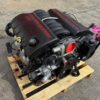
Reviews
There are no reviews yet.