
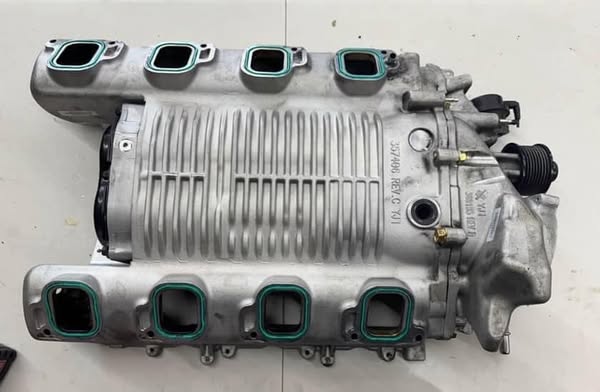
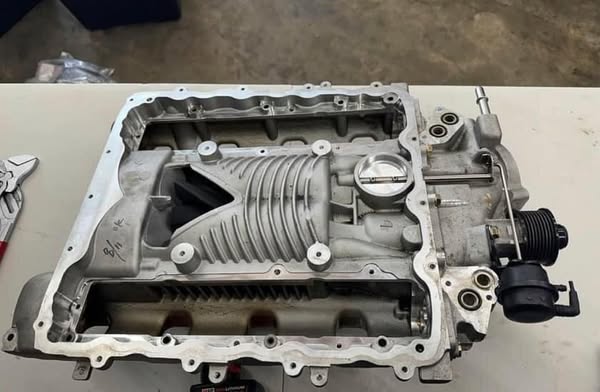
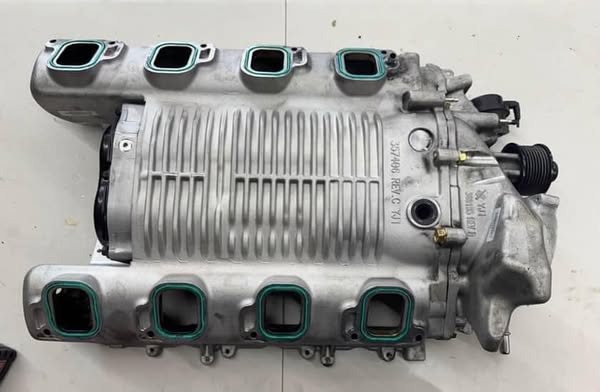
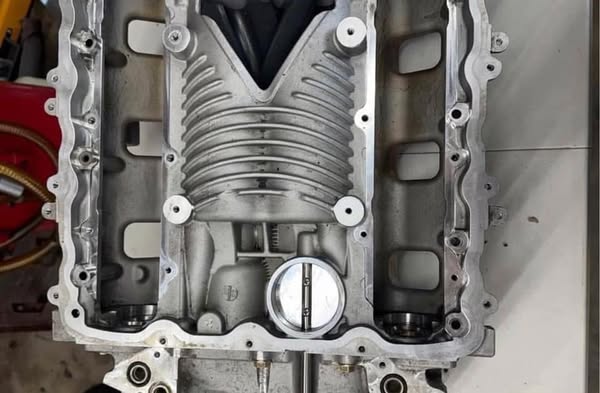
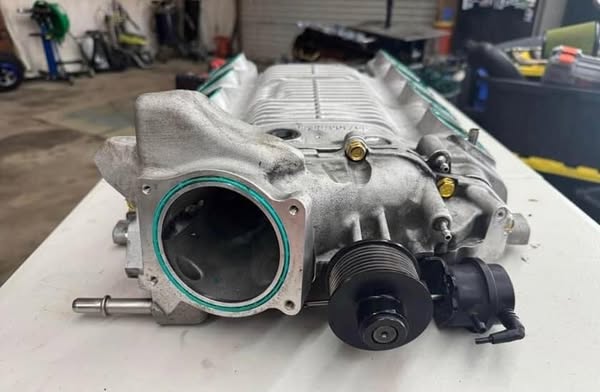
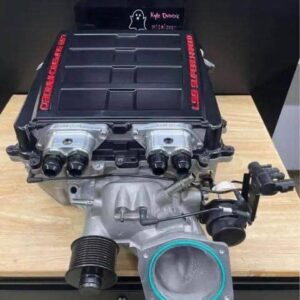
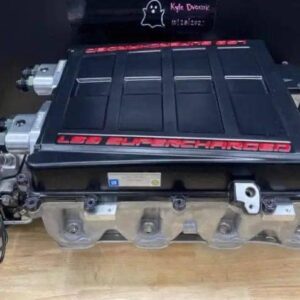
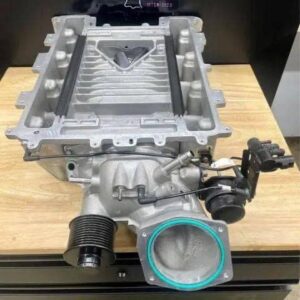
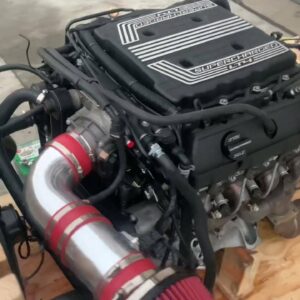
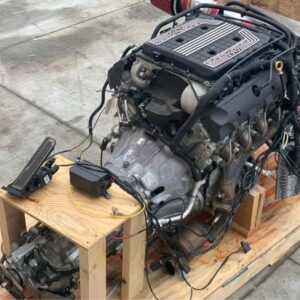
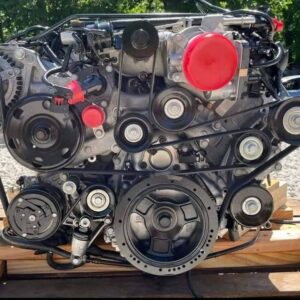
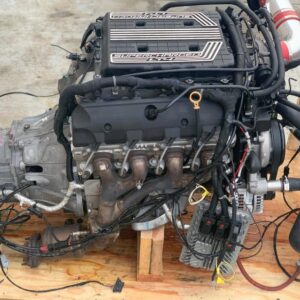
The LT4 supercharger takeoff from 2017 ZO6 Corvette supercharger takeoff represents a genuine factory engineering correction — not a cosmetic refresh — and understanding why changes everything about how you approach this swap.
The 2017 LT4 Revision: More Than Just a Taller Lid
The LT4’s core hardware is formidable by any standard. Built around the Eaton R1740 TVS unit, this is a 1.7-liter, intake-mounted supercharger generating over 9 psi of boost to support the engine’s factory-rated 650 horsepower and 650 lb-ft of torque. Those are numbers that rival dedicated aftermarket builds — straight from the factory.
Here’s where the 2017 revision earns its reputation over the 2015–2016 “short lid” units:
- Taller supercharger lid — increased plenum volume for improved charge distribution
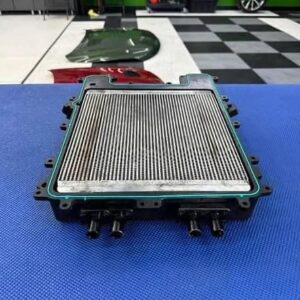
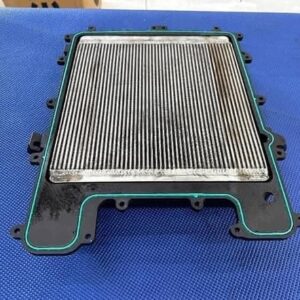
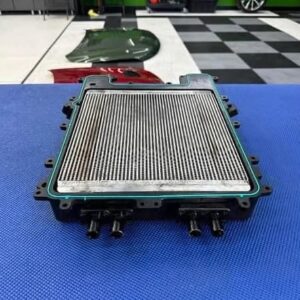
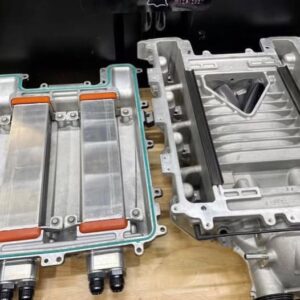
- Angled intercooler bricks — repositioned to direct coolant flow more effectively across the heat exchanger
- Revised internal routing — addresses uneven cooling that plagued the flat-brick design under sustained load
- Same R1740 TVS internals — identical rotor pack, so boost output stays consistent
The 2015–2016 flat-brick design was functional at street pace but struggled under repeated hard acceleration. GM’s 2017 revision addressed those thermal weaknesses at the production level — effectively shipping a corrected unit to every Z06 and ZL1 buyer from that point forward.
What exactly changed inside those intercooler bricks, and why it matters at the track, is where this story gets technical.
Solving the Heat Soak: Why the 2017 Takeoff is the Preferred Swap
The 2017 Z06 LT4 supercharger isn’t a minor update — it’s GM’s factory answer to a documented thermal management problem that plagued early C7 track use.
Early heat soak problem. The 2015–2016 LT4 units earned a frustrating reputation on track days: sustained high-RPM driving would trigger limp mode as intake temperatures spiked beyond safe thresholds. The intercooler bricks in those early housings sat level, creating uneven coolant distribution that starved the rear cylinders of adequate heat exchange capacity.
The 2017 fix. According to Corvette Forum, the 2017+ LT4 revision tilted the rear intercooler bricks upward, directly improving coolant flow to the rear of the blower. Here’s the before-vs-after in plain terms:
- 2015–2016 bricks: Flat orientation, uneven rear-cylinder cooling, limp mode risk under sustained load
- 2017+ LT4 bricks: Rear-tilted orientation, improved distribution, measurably better thermal stability at the track
Compatibility caveat. The design change comes with one important constraint. Per ICT Billet, the taller 2017+ lid can be bolted onto a 2015–2016 housing — but the reverse is not possible. You cannot run an older short lid on a 2017+ housing without modification. This makes sourcing a complete, generation-correct unit critical.
For swap buyers, this positions the 2017 LT4 takeoff as the only factory-corrected option worth chasing — and that demand reality shapes the market pricing you’ll encounter next.
The Economics of Takeoffs: Market Pricing and Availability
A used LT4 Z06 supercharger unit from a 2017 Z06 donor car offers exceptional value — but only when you know exactly what you’re buying.
Pricing for takeoff units typically falls between $1,600 and $2,200 depending on included accessories, mileage, and seller. That spread matters. A barebones blower without sensors or lid hardware sits at the low end; a complete, documented package commands the premium.
What a “complete” takeoff should include:
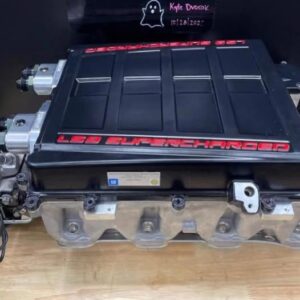
- Upper intake lid (the revised 2017 taller-profile unit)
- Supercharger bricks (heat exchangers) — both of them, intact
- All sensors (MAP, IAT, coolant temp)
- Throttle body if the seller pulled it as an assembly
- Mounting hardware where possible
The brick warning is critical. Replacement supercharger bricks alone can run $300–$600 per side. High-mileage units — anything above 40,000 miles — carry a real risk of degraded brick efficiency. Always ask for documentation or inspect in person before committing.
One of the best sources for low-mileage takeoffs is the C7 Z06 community itself. Owners upgrading to aftermarket centrifugal or twin-screw alternatives routinely part out their stock assemblies, often with under 20,000 miles on the clock. These motivated sellers frequently price competitively to move inventory fast.
Once you’ve secured a solid takeoff at the right price, the next logical question is whether to run it stock — or unlock significantly more from the blower itself.
Maximizing the Blower: Porting and the StreetSpeed717 Effect
Porting the LT4 supercharger Z06 unit is one of the highest-value modifications available — delivering measurable airflow gains for a fraction of the cost of a full blower upgrade.
Now that you understand the market dynamics of sourcing a takeoff, the next question serious builders ask is: how far can the stock 1.7L blower actually go? The answer, in practice, is further than most people expect — especially with porting.
Porting involves machining the inlet and outlet passages of the supercharger housing to smooth restrictions and increase airflow volume. As documented by StreetSpeed717, porting the stock blower is a well-established path to unlocking efficiency gains without swapping to a larger unit entirely. The modification reduces parasitic loss, allowing the rotors to move more air with less resistance.
There’s also an acoustic benefit worth considering. Porting typically sharpens the supercharger’s characteristic whine — a byproduct of smoother, faster airflow. For many enthusiasts, that sound signature is half the appeal of forced induction.
On cost-to-horsepower ratio, porting generally runs $400–$800 through a reputable shop, often yielding 20–35 additional horsepower at the wheels. Compare that to upgrading the entire blower assembly, and the math strongly favors porting as a first step.
Of course, porting has a ceiling. Once you’ve extracted maximum efficiency from the 1.7L unit, the next question becomes whether that ceiling is high enough — or whether a larger displacement system belongs under the hood instead.
LT4 Takeoff vs. TVS2650R: When to Stay OEM
The LT4 Z06’s factory supercharger is the right choice for most swaps — until your power goals push past the 750–800 HP threshold.
| Feature | OEM LT4 (1.7L) | TVS2650R Magnum (2.65L) |
|---|---|---|
| Displacement | 1.7L | 2.65L |
| Typical power ceiling | ~750–800 HP | 1,000+ HP |
| Hood clearance | Fits stock hood | Often requires cowl induction |
| Swap complexity | Plug-and-play (Camaro/Silverado) | Significant fabrication |
| Estimated cost | $1,500–$2,500 | $5,500–$7,000+ |
| Ideal use case | Street/mild track builds | Dedicated high-power builds |
Power ceiling matters. The LT4’s 1.7L rotor pack runs out of breath around 750–800 HP — a hard limit no amount of porting fully overcomes. The TVS2650R Magnum is a significantly larger displacement unit engineered specifically for power levels that exceed what the stock 1.7L can support.
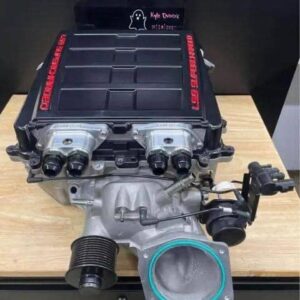
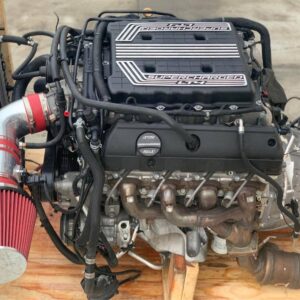
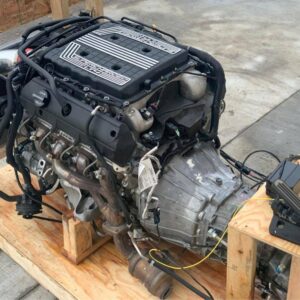
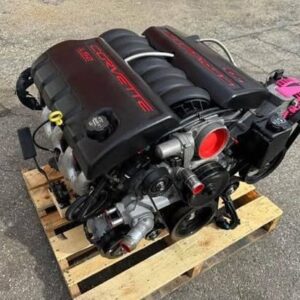
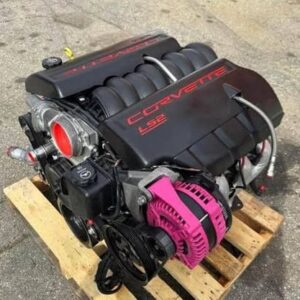
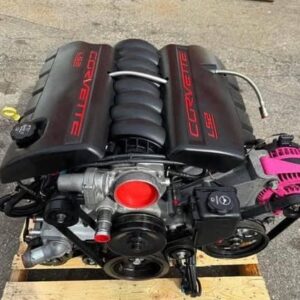
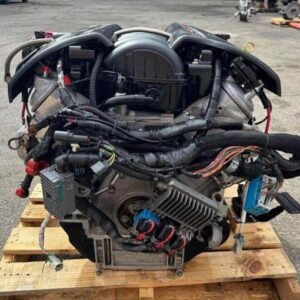
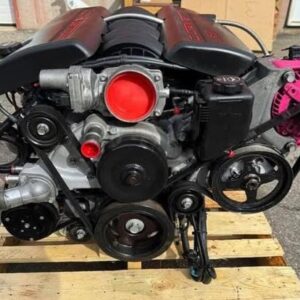
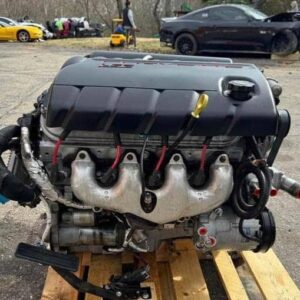
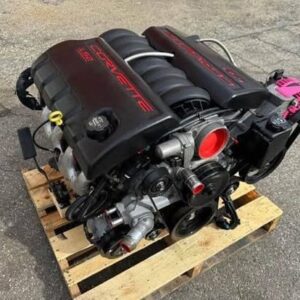
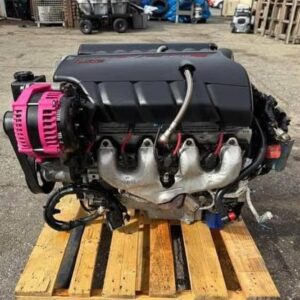
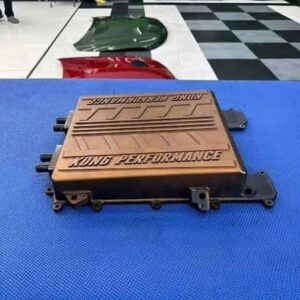
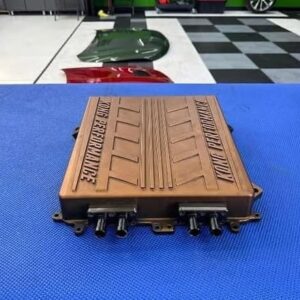
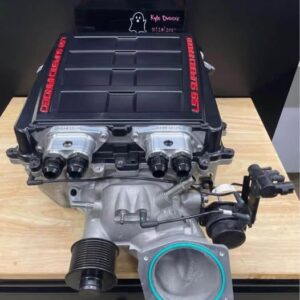
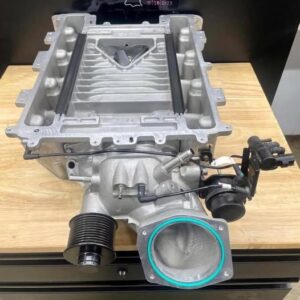
Physical footprint is equally critical. In practice, the LT4 tucks neatly under most factory hoods — a decisive advantage for Camaro SS and Silverado swap builds where hood clearance is non-negotiable. The larger 2.65L unit frequently demands cowl induction or custom hood fabrication, adding both cost and complexity. For builders prioritizing a clean, streetable result without major sheet metal work, the OEM takeoff remains the pragmatic choice.LT4 supercharger takeoff from 2017 ZO6 Corvette
When your build stays under that 800 HP ceiling, the takeoff’s plug-and-play compatibility and low acquisition cost simply can’t be matched — a point that shapes the final recommendations ahead.
The Bottom Line: What You Need to Know
The 2017+ LT4 takeoff is the gold standard for factory supercharger swaps — offering better cooling architecture, broader compatibility, and a clear upgrade path.
Here’s a quick-reference summary before you move forward:
- 2017+ LT4 units are the preferred pick. The revised angled cooling bricks — designed specifically to reduce heat soak — make these units meaningfully more efficient than 2015–2016 versions. For anyone researching 2017 Z06 common problems, heat management is frequently cited, and the updated blower hardware directly addresses that concern.
- Budget around $1,800 for a clean unit with the tall lid included. That’s the realistic market rate for a verified, undamaged assembly.
- The tall lid isn’t optional for early owners. If you’re running a 2015–2016 unit and fighting heat soak, the tall lid upgrade is a mandatory fix — not an aesthetic choice.
- Port before you upgrade. Porting delivers measurable airflow gains at a fraction of the $6,000+ cost of an aftermarket blower. It’s the smartest first move.
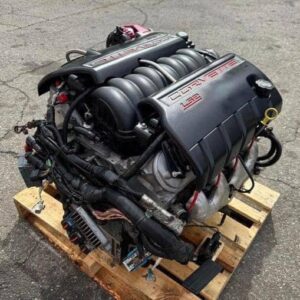
- Verify hood clearance early. The LT4’s height makes non-Corvette swaps a fitment challenge — confirm measurements before committing.LT4 supercharger takeoff from 2017 ZO6 Corvette
In practice, the 2017+ LT4 takeoff checks every box for high-value forced-induction builds. The only variable left is sourcing one you can trust — which is exactly where quality of purchase matters most.
Finding Your LT4: Sourcing and Next Steps
The right LT4 takeoff can transform your build — but only if you source it correctly from the start.
Whether you’ve settled on the OEM route or are still weighing the tvs2650r vs lt4 upgrade path, your sourcing decision matters as much as the part itself. Before purchasing, always verify the casting number and confirm the “tall lid” heat exchanger housing — the defining visual cue that separates a 2017+ LT4 unit from earlier, less capable versions. A quick cross-reference against known part numbers takes minutes and can save hundreds in compatibility headaches.
Certified takeoffs from low-mileage 2017+ Z06 LT4s are the most reliable way to ensure cooling efficiency in your swap, as confirmed by Corvette-specific parts specialists who track provenance and mileage records. What you want to avoid:
- Mystery eBay listings with no documented vehicle history
- Units missing heat exchanger components or intercooler bricks
- Sellers unable to confirm model year or casting numbers
In practice, Corvette-specific parts specialists offer a level of verification that generic resellers simply can’t match. They understand what makes a takeoff viable — and what disqualifies one.
Browse current Z06 supercharger and drivetrain inventory at Corvette Auto Parts for Sale Online to find documented, swap-ready components. The ideal build starts with the right part, sourced right
 No products in the cart.
Reviews
There are no reviews yet.