
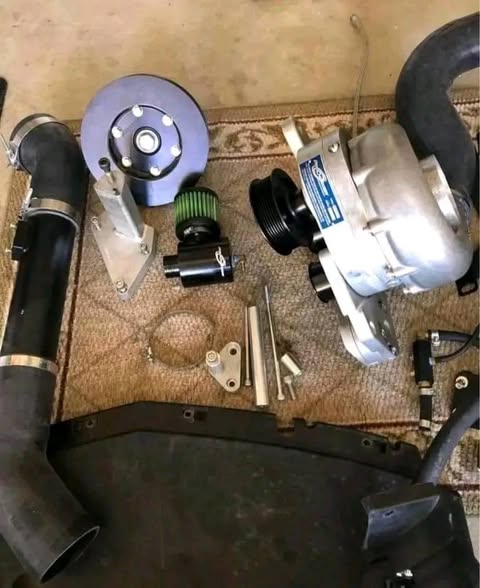
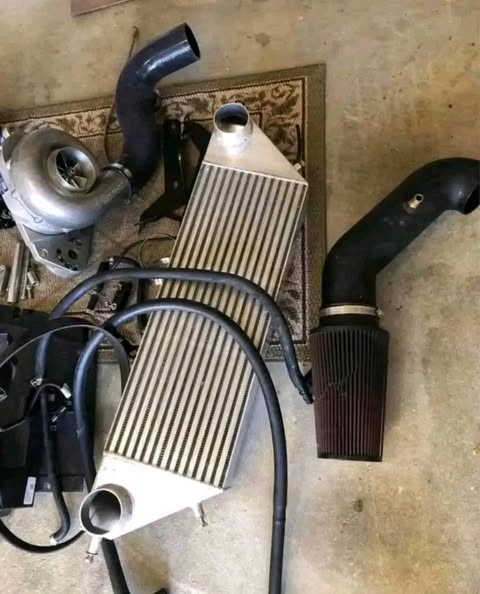
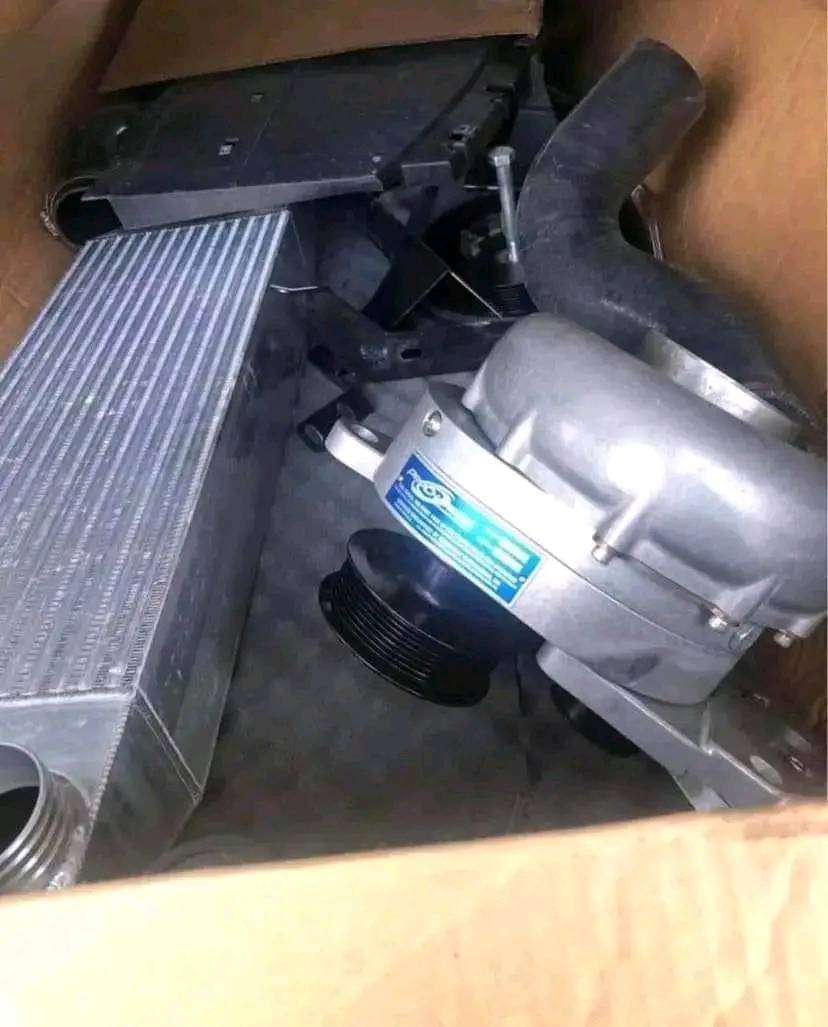
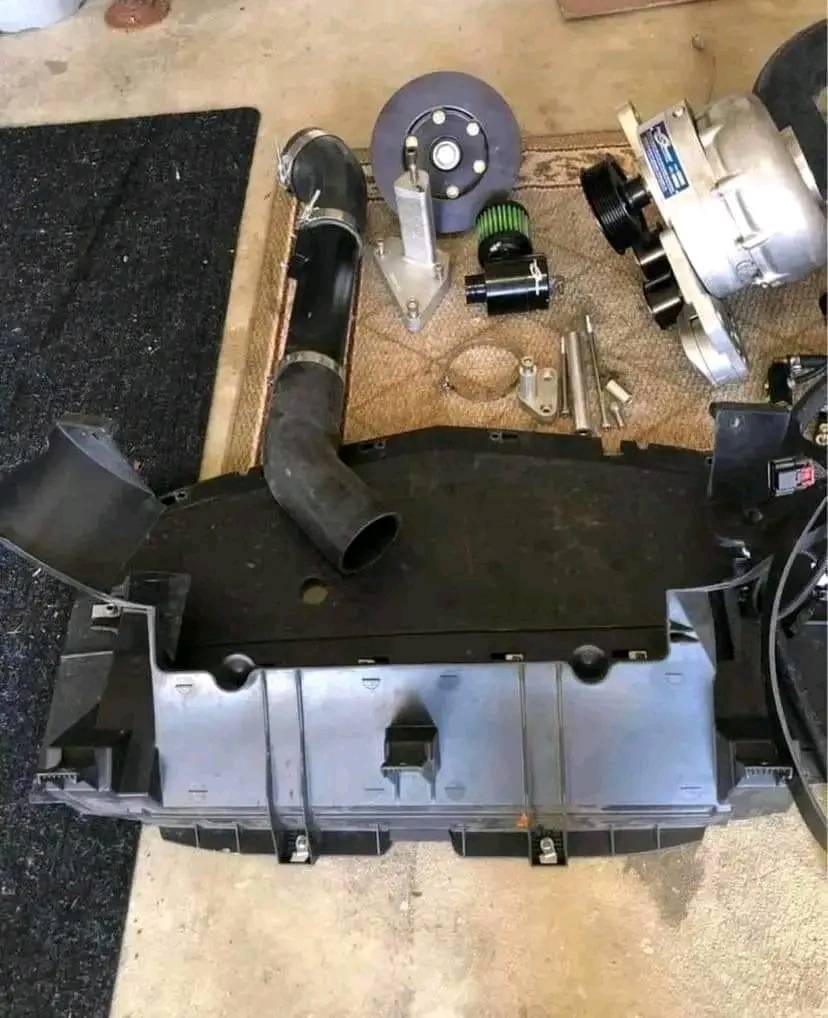
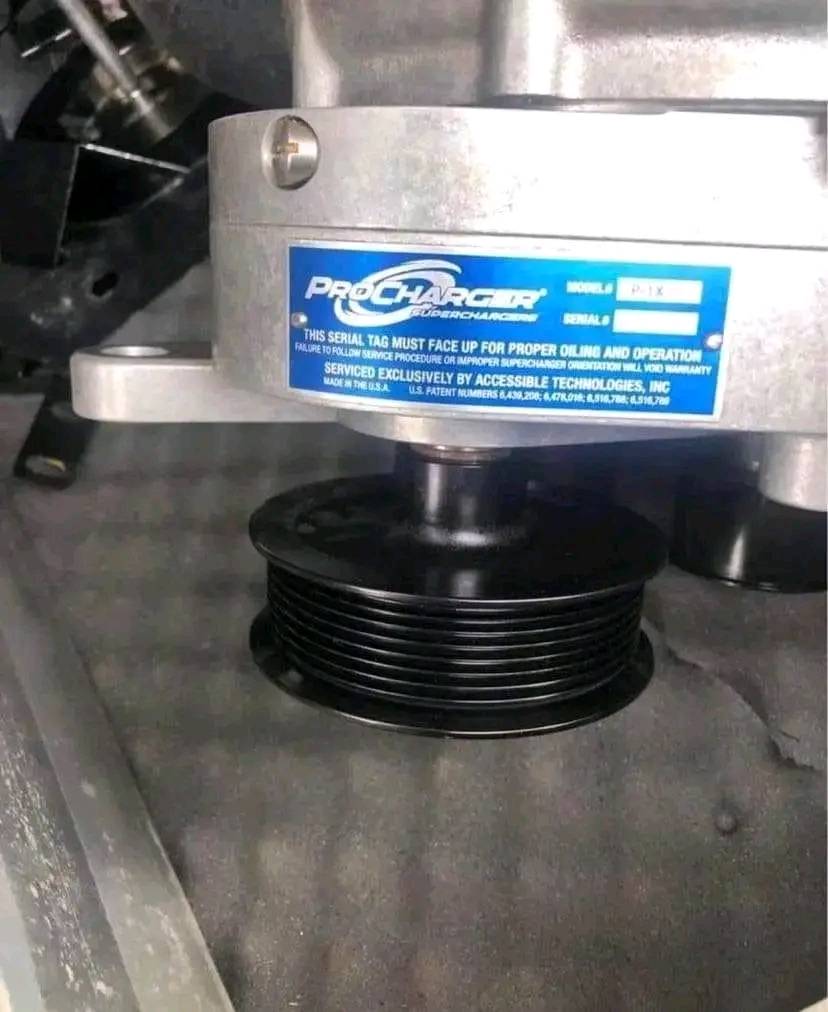
The Real Cost of a ‘Like New’ C7 Supercharger Kit
A used like new C7 supercharger kit delivers some of the best horsepower-per-dollar in the Corvette aftermarket — if you know what you’re actually buying.
Retail vs. used pricing at a glance:
- New retail: $6,500+
- Used take-off kits: $3,500–$4,000 — roughly 40–50% less
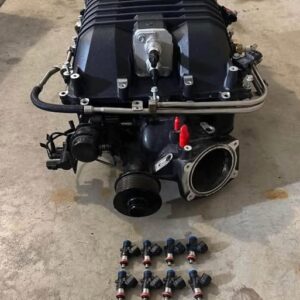
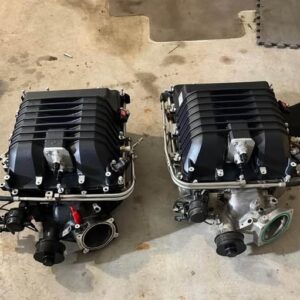
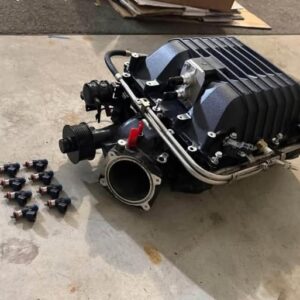
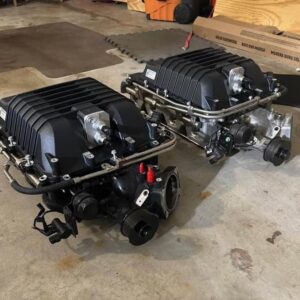
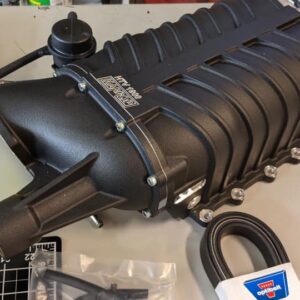
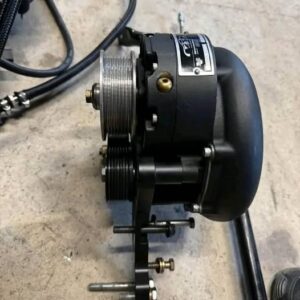
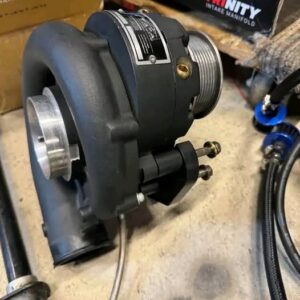
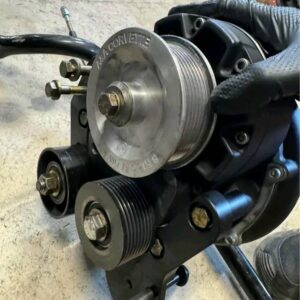
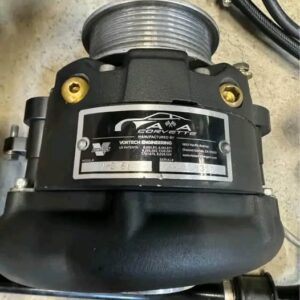
“Take-off” kits from brands like ProCharger or A&A Corvette typically list around $3,700, pulled from cars upgraded to larger blowers or sold outright. Low miles, full hardware — but budget for a fresh tune and new seals regardless.
Before the next section unpacks exactly how much power your stock LT1 can safely absorb, it’s worth knowing your financial ceiling first.
How Much Power Can Your Stock LT1 Actually Handle?
A standard 7 psi boost kit delivers a 40–50% horsepower increase — pushing a stock LT1 to nearly 600 rear-wheel horsepower, which is widely considered the safe ceiling for factory internals.
When browsing used supercharger kits for sale, understanding that ceiling matters as much as the price tag. The stock LT1’s cast pistons tolerate moderate boost well, but cylinder pressure climbs fast at higher boost levels.
Key power thresholds to know:
- ~7 psi: Safe for stock internals; ~550–600 RWHP range
- 9–11 psi: Forged pistons strongly recommended — cast pistons risk failure
- 12+ psi: Full bottom-end build territory
The Z06’s LT4 arrives forged from the factory, giving it a built-in resilience the Stingray’s LT1 simply doesn’t share. That distinction becomes critical when evaluating higher-output kits — a topic the next section covers in depth.
The LT4 Conversion: A Budget-Friendly OEM Alternative?
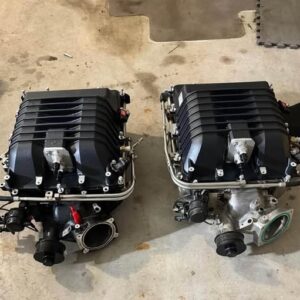
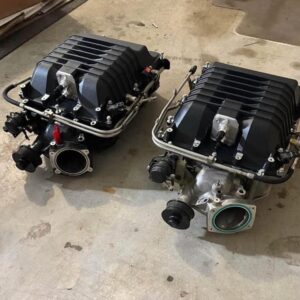
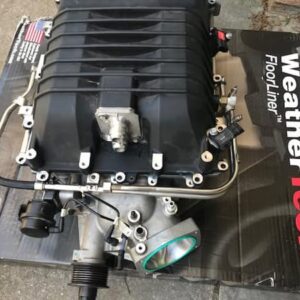
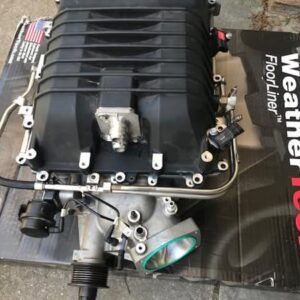
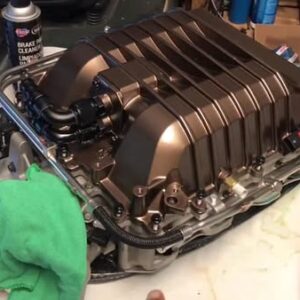
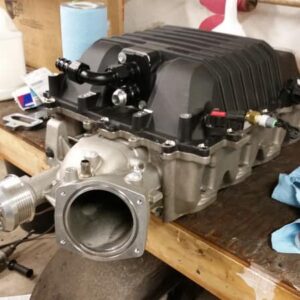
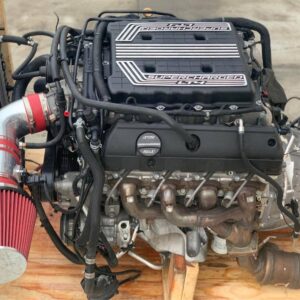
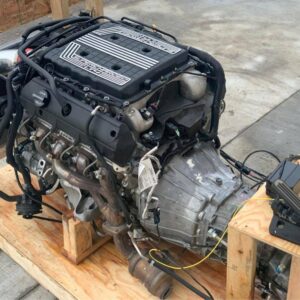
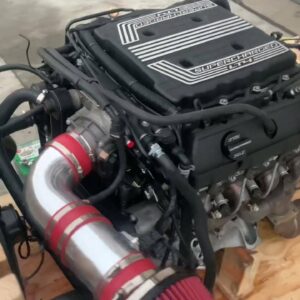
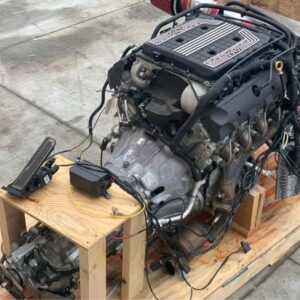
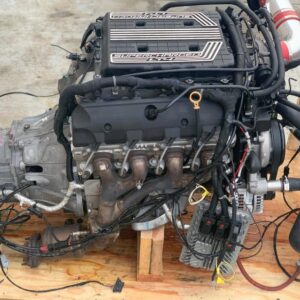
The LT4 head unit looks like a bargain — until you see the full bill. A used LT4 supercharger head unit can be sourced for as low as $1,100–$1,200 according to CorvetteForum, making it an attractive entry point for any C7 Corvette supercharger build.
The catch: supporting hardware adds $3,500–$4,000 on top of that head unit price.
That means brackets, fuel injectors, a larger fuel pump, heat exchanger, intercooler reservoir, and custom tuning — none of which transfer cleanly from a Z06 to a base Stingray LT1.
- OEM aesthetics: The LT4 swap looks completely factory under the hood
- Performance trade-off: Centrifugal kits often deliver more top-end power per dollar
- DIY complexity: Wiring, fueling, and cooling integrations demand serious mechanical skill
What typically happens is that budget-focused buyers underestimate total project costs by nearly 300%. Before committing to this route, the condition of the used head unit itself deserves equally close scrutiny — which is exactly where most buyers make their costliest mistakes.
Critical Inspection: What to Replace on a Used Kit
Before any used lt4 supercharger for C7 installation goes on your engine, certain consumable parts must be replaced — no exceptions.
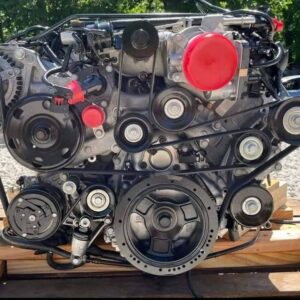
- Drive belt: Rubber degrades with heat cycles. As RIPP Superchargers advises, “put a brand new belt on” and keep the old one as a spare.
- Idler pulleys: Bearings wear invisibly. Replace them; failure at boost means engine damage.
- Gaskets and seals: Reusing compressed gaskets risks boost leaks immediately.
- Head unit check: Inspect for shaft play and oil seepage — both signal internal wear that no belt swap can fix.
Supporting Mods: Exhaust and Cooling Requirements
A supercharger doesn’t work in isolation — the exhaust, cooling, and fuel systems must keep pace with the added power demand.
Heat soak is the silent killer of boosted LT1 performance. As boost climbs, intake temps spike, robbing power and risking detonation. An upgraded intercooler or heat exchanger is a practical first investment alongside any centrifugal kit.
- Exhaust: Headers or high-flow cats are strongly recommended. As noted by the Stingray Corvette Forum, Z51 package owners face specific heat and flow challenges that a restrictive stock exhaust amplifies under boost.
- Fuel system: At 600+ HP — common territory for a supercharged Corvette C7 GS Stingray with forged pistons — higher-flow injectors and an upgraded fuel pump become necessary, not optional.
Getting these supporting mods right sets the stage for confidently pulling the trigger on a used kit purchase.
The Bottom Line: Buying Used with Confidence
A used C7 centrifugal supercharger kit delivers real performance value — but only when you buy smart and budget honestly.
A used kit can save nearly $3,000, but only if the head unit is mechanically sound. Keep these decision points in mind:
- Target price: Shop for $3,500–$4,000 for a complete used centrifugal kit
- Power gains: Expect 150–200 HP on a stock LT1 — a transformative upgrade
- Pre-install checklist: Always replace belts, idlers, and fluids before bolting anything on
- Hidden costs: Budget an additional $2,000 for tuning and miscellaneous hardware
- Boost threshold: Consider forged pistons before pushing beyond 7–8 psi
Knowing what to buy is only half the equation — knowing where to source verified components is equally critical.
Where to Find Verified C7 Performance Parts
Where you buy matters as much as what you buy — a legitimate used supercharger kit from a trusted source is worth far more than a cheap listing from an unknown seller.
- Reputable forums: CorvetteForum discussions and dedicated Corvette marketplaces connect buyers with sellers who understand what they’re selling — and have reputations to protect.
- Avoid generic platforms: If a price looks suspiciously low, trust that instinct. Incomplete kits and misrepresented condition are common pitfalls.
- Consult a professional tuner before purchasing — they’ll confirm compatibility and flag red flags you might miss.
For verified C7 components, corvetteautopartsforsaleonline.com offers a focused alternative to sifting through unvetted listings. Do the homework, lean on the community, and bolt on with confidence.
Related C7 Corvette Guides
- General Maintenance: C7 Corvette Maintenance Guide — Essential upkeep tips for every C7 owner.
- Fueling Solutions: The Best Fuel System Upgrades for C7 Stingray — Deep dive into high-flow injectors and pumps.
- Professional Tuning: Tuning Your C7: What to Expect — Why a custom tune is the most important part of your build.
 No products in the cart.
Reviews
There are no reviews yet.